.svg)

.svg)

Some childhood vision problems are easy to miss. Learn the subtle signs parents should watch for and why early eye exams matter.
Children do not always realize they have a vision problem.
Many assume the way they see is normal because they have never experienced anything different.
That’s why vision problems in children can sometimes go unnoticed, especially when symptoms are subtle.
In many cases, children may still pass a basic vision screening while struggling with other aspects of visual function.
Vision Problems Don’t Always Mean Blurry Vision
When most people think about vision problems, they think about blurry eyesight.
But vision involves much more than seeing letters clearly on a chart.
Children also rely on visual skills that support:
- Reading
- Tracking words across a page
- Focusing between distances
- Eye coordination
- Classroom learning
If these visual skills are not functioning properly, children may experience challenges even if they can technically “see clearly.”
The Signs Can Look Like Something Else
Vision problems in children are often mistaken for other issues because the behaviours may not seem vision-related at first.
Parents may notice:
- Frequent eye rubbing
- Squinting
- Covering one eye
- Complaints of headaches
- Holding screens very close
- Losing place while reading
- Avoiding reading altogether
- Short attention span during near work
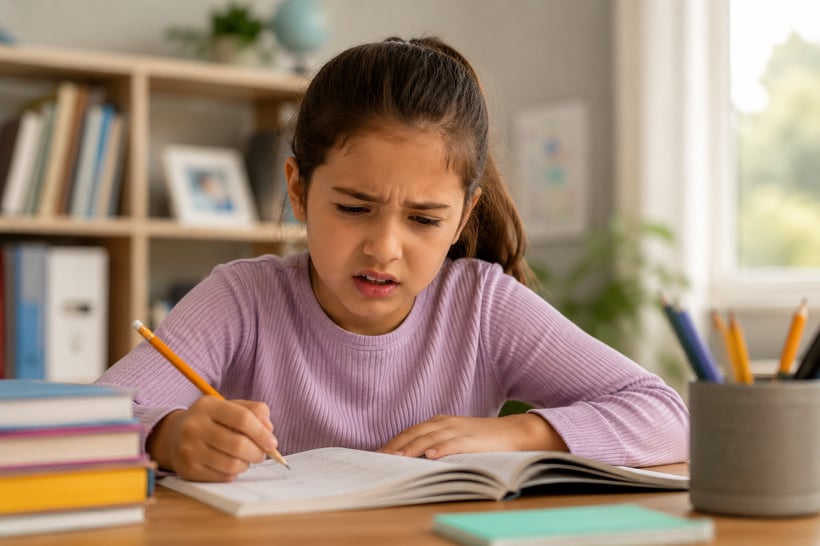
Some children may simply appear frustrated, tired, or distracted during schoolwork.
Classroom Challenges Can Sometimes Be Vision-Related
Vision plays an important role in learning.
Children spend much of the school day using their eyes for close-up tasks like reading, writing, screens, and focusing between distances.
If visual function is strained, it can affect:
- Reading fluency
- Concentration
- Comfort during schoolwork
- Confidence in the classroom
Because these changes often happen gradually, they may not always be obvious right away.
Why Early Eye Exams Matter
Children’s eyes continue to develop as they grow.
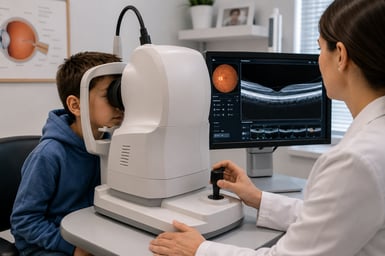
Regular comprehensive eye exams allow optometrists to assess:
- Eye health
- Visual development
- Eye coordination
- Focusing ability
- Overall visual function
This provides a more complete understanding of how a child’s vision is supporting their daily activities and learning environment.
Screen Time and Near Work
Many children now spend more time indoors doing sustained work than ever before.
That can include:
- Tablets
- Phones
- Computers
- Reading
- Homework
Extended near focus may contribute to eye strain and other visual concerns over time.
That’s one reason optometrists encourage balanced visual habits, including regular outdoor time and breaks from prolonged near work.
The Takeaway
Vision problems in children are not always obvious.
Sometimes the signs appear through behaviours, learning challenges, or visual discomfort rather than complaints about blurry vision.
Comprehensive eye exams allow optometrists to assess how a child’s eyes are developing and whether vision is supporting everyday activities and learning.
Find an optometrist near you at findaneyedoctor.ca and book your child’s next eye exam.