.svg)

.svg)

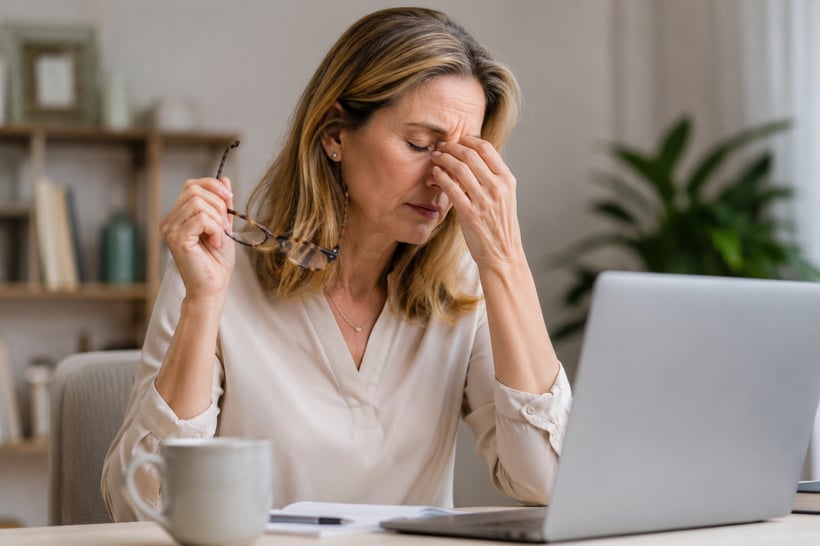
Hormonal changes during menopause can affect eye comfort, dryness, and vision throughout the day.
A lot of women notice changes in their eyes during their 40s and 50s, but do not always connect them to menopause right away.
Your eyes may start feeling more irritated by the end of the day; contacts may become less comfortable, or your vision may seem to fluctuate for no obvious reason.
At first, these changes can feel random or easy to brush off. But hormonal changes during menopause can affect the eyes in ways many people do not expect.
Hormones Affect More Than You Think
Hormonal changes during menopause can influence how the eyes produce and maintain tears.
That can affect overall eye comfort and stability throughout the day.
For some women, symptoms may include:
- Dryness
- Burning or irritation
- Watering eyes
- Blurry or fluctuating vision
- Increased sensitivity to light
- Contact lens discomfort
These symptoms may become more noticeable during screen use, reading, or long days indoors.
Why Symptoms Can Feel Inconsistent
One of the frustrating parts about dry eye symptoms is that they often fluctuate. Some days feel completely normal. On other days, your eyes feel tired, irritated, or uncomfortable for no obvious reason.
Environmental factors can also make symptoms more noticeable, including:
- Air conditioning
- Screen time
- Wind and dry air
- Lack of sleep
That inconsistency is one reason many people do not immediately connect the symptoms to hormonal changes.
Dry Eye Is Becoming More Common
Dry eye symptoms are increasingly common, especially during stages of life where hormone levels shift.
And because many people assume irritation or watering is temporary, symptoms are often ignored or brushed off as “just getting older.” But eye comfort plays a major role in day-to-day activities like:
- Reading
- Driving
- Screen use
- Wearing contact lenses comfortably
When the surface of the eye becomes unstable, even routine tasks can start feeling more frustrating over time.
Small Changes Can Have a Big Impact
For many women, simple adjustments can improve overall visual comfort.
That may include:
- Managing screen habits
- Adjusting indoor environments
- Reviewing contact lens use
- Assessing tear stability and eye surface health
Understanding what is contributing to symptoms is often the first step.
Why Eye Exams Matter During Hormonal Changes
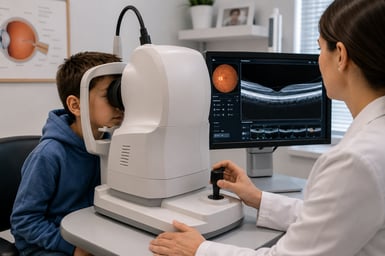
Eye exams are not only about updating a glasses prescription. They also allow optometrists to assess changes in eye comfort, tear stability, and overall eye health over time.
Because symptoms can overlap with other eye conditions, a proper assessment provides a clearer understanding of what may be contributing to the discomfort.
The Takeaway
Hormonal changes during menopause can affect more than energy levels or sleep.
They can also influence eye comfort, tear stability, and how vision feels throughout the day.
If your eyes have been feeling different lately, an eye exam can provide insight into what may be changing and what options are available to improve comfort.
Find an optometrist near you at findaneyedoctor.ca and book your next eye exam.