
.svg)

.svg)

What It Is
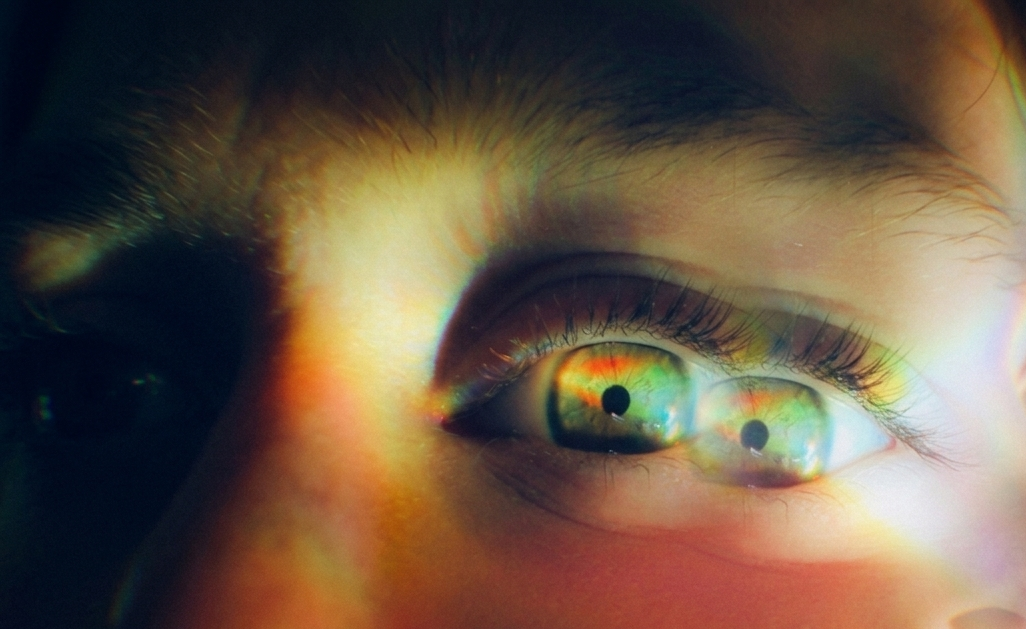
Double vision, or diplopia, occurs when you see more than one image of a single object.
It can happen in one eye (monocular) or both eyes (binocular) and may indicate anything from a simple optical issue to a more complex muscular or neurological condition.
Double vision should never be ignored. It can cause confusion, dizziness, and difficulty focusing, and sometimes signals an underlying health concern that requires prompt evaluation.
Whom It Affects / Causes
Double vision can result from several different causes, but the two most common are:
1️⃣ Eye Misalignment (Strabismus)
In normal vision, both eyes aim precisely at the same object, and the brain fuses their two images into one.
If the eyes are not aligned properly, the brain receives two different images that cannot merge, resulting in double vision.
This can occur from:
- Weak or overactive eye muscles
- Nerve damage that affects eye movement
- Conditions such as thyroid eye disease or cranial nerve palsy
2️⃣ Uncorrected Refractive Error
Sometimes double vision happens because light entering the eye isn’t focused correctly on the retina. This is sometimes called monocular diplopia. It is not true diplopia but rather distortion.
This monocular diplopia or distortion may be caused by:
- Astigmatism (irregularly shaped cornea)
- Cataracts (clouding of the eye’s lens)
- Keratoconus (thinning and bulging of the cornea)
Other potential contributors include:
- Head or eye injuries
- Diabetes or vascular conditions affecting eye muscles
- Brain or nerve disorders that disrupt eye coordination
Symptoms to Watch For
- Seeing two overlapping images with a space between them 👀
- Halos or “ghosting” around objects 🌫️
- Eye strain, headaches, or dizziness 😣
- Difficulty reading or judging distances 📖
- Tilting or turning the head to compensate 🧠
Double vision may come and go — but any sudden or persistent onset should be evaluated immediately.
How It’s Diagnosed
Your optometrist will conduct a comprehensive eye examination to determine whether your double vision is monocular or binocular.
This may include:
- Cover tests to assess eye alignment
- Refraction tests to check for astigmatism or other focusing issues
- Slit-lamp examination to evaluate the cornea and lens
- Ocular motility tests to measure how your eyes move and coordinate
- Neurological screening if muscle or nerve function is suspected
If needed, your optometrist may refer you for medical imaging or collaborate with an ophthalmologist, neurologist, or family physician to investigate underlying causes.
Treatment & Management
Treatment depends on the root cause of your double vision. Your optometrist may recommend:
👓 Corrective Lenses
- Glasses or contact lenses to correct refractive errors
- Prism lenses to help align the two images into one
🧠 Vision Therapy
- Customized eye exercises to strengthen coordination and retrain the brain to fuse images
- Particularly effective for strabismus or binocular vision conditions
🩺 Medical or Surgical Options
- Cataract surgery if the clouded lens causes monocular diplopia
- Eye muscle surgery for persistent or severe strabismus
- Referral for systemic treatment if linked to thyroid disease, diabetes, or neurological conditions
Early diagnosis allows your optometrist to address double vision before it affects reading, driving, balance, or child development.
When to See Your Optometrist
Book an appointment immediately if you experience:
- New or sudden double vision
- Double vision following a head injury
- Persistent or worsening symptoms
- Associated pain, dizziness, or drooping eyelids
Double vision can often be managed successfully once the underlying cause is identified.
💙 Book an Eye Exam — Double vision can have many causes, but your optometrist can identify the source, provide relief, and protect your long-term vision.