
.svg)

.svg)

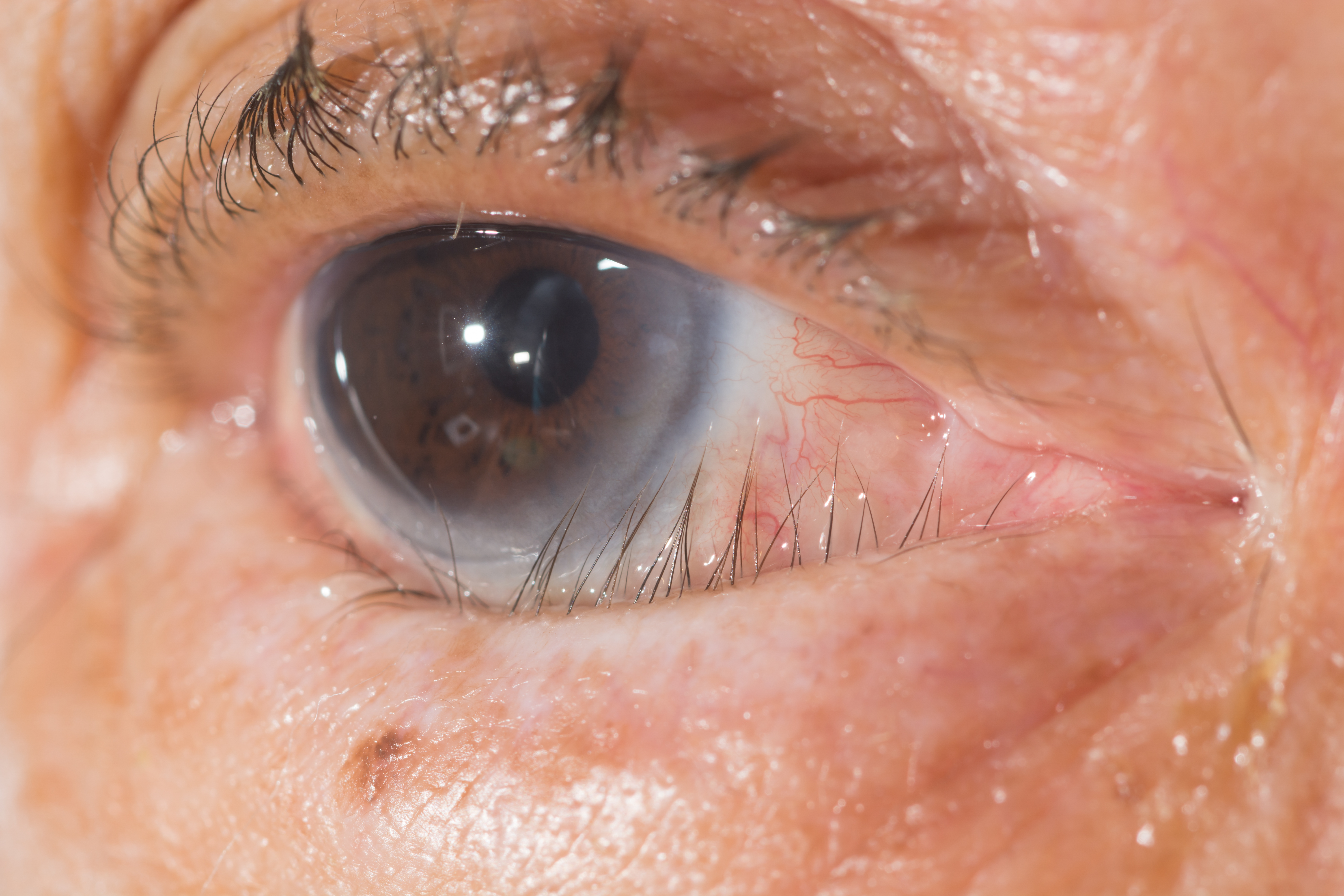
Trichiasis: When eyelashes grow inward
What It Is
Trichiasis is a condition where one or more eyelashes grow inward instead of outward. Normally, the lashes line the eyelids in a single row, pointing away from the eye to shield it from debris. When a lash turns inward, it can rub against the cornea or conjunctiva — the clear surfaces that protect the eye. Even a single misdirected lash can cause irritation, tearing, redness, and pain. Left unchecked, repeated scratching can lead to abrasions and infection.
Who It Affects / Causes
Trichiasis appears most often in older adults as the eyelid skin and supporting tissue lose elasticity. In all cases, inward-turning lashes repeatedly scratch the eye, leading to recurring discomfort. It can also occur in anyone with:
-
Eyelid scarring from trauma, chemical injuries, burns, or previous surgery
-
Chronic inflammation, such as blepharitis or infection
-
Chemical or mechanical irritation
-
Congenital eyelid structure, seen more commonly in some children of Asian descent (many outgrow it with time)
Symptoms
Recurrent rubbing of the lashes on the cornea can cause abrasions and, in more severe cases, infection. People with trichiasis typically notice:
-
Persistent irritation or a “scratchy” feeling
-
Excessive tearing
-
Redness around the eyelid
-
Light sensitivity
-
Blurred vision
-
Pain or discomfort when blinking
How It’s Diagnosed
Your optometrist can diagnose trichiasis during a comprehensive eye exam using a slit-lamp microscope. This allows them to:
-
Identify inward-turning lashes
-
Look for corneal scratches or irritation
-
Assess whether another eyelid condition (such as entropion or blepharitis) is contributing
A clear diagnosis determines the safest and most effective way to manage the condition.
Treatment & Management
In-Office Lash Removal
For most mild cases, treatment involves removing the misdirected lash. After applying anesthetic drops, your optometrist uses fine forceps to gently pluck the lash at its base. Relief is immediate, and artificial tears may help soothe the eye for a few days.
Lashes typically grow back in 3–5 months and may require repeat removal.
Long-Term or Recurrent Cases
For frequent or severe trichiasis, more lasting options may be recommended:
-
Electrolysis or laser ablation to destroy the lash follicle
-
Cryotherapy to freeze the follicle and prevent regrowth
-
Minor eyelid surgery to reposition the eyelid margin
These procedures are usually performed by an ophthalmologist when multiple lashes are involved.
Is Treatment Permanent?
Not reliably. Even with advanced techniques, trichiasis is difficult to eliminate permanently because lashes often regrow from the same follicles. Early treatment at each recurrence helps prevent complications like scarring or infection.
When to See Your Optometrist
Book an appointment if you notice:
-
Ongoing irritation or tearing
-
Redness or pain along the eyelid
-
Blurry vision or light sensitivity
-
A lash visibly rubbing the eye
Prompt treatment prevents long-term damage and keeps the eye comfortable.