
.svg)

.svg)

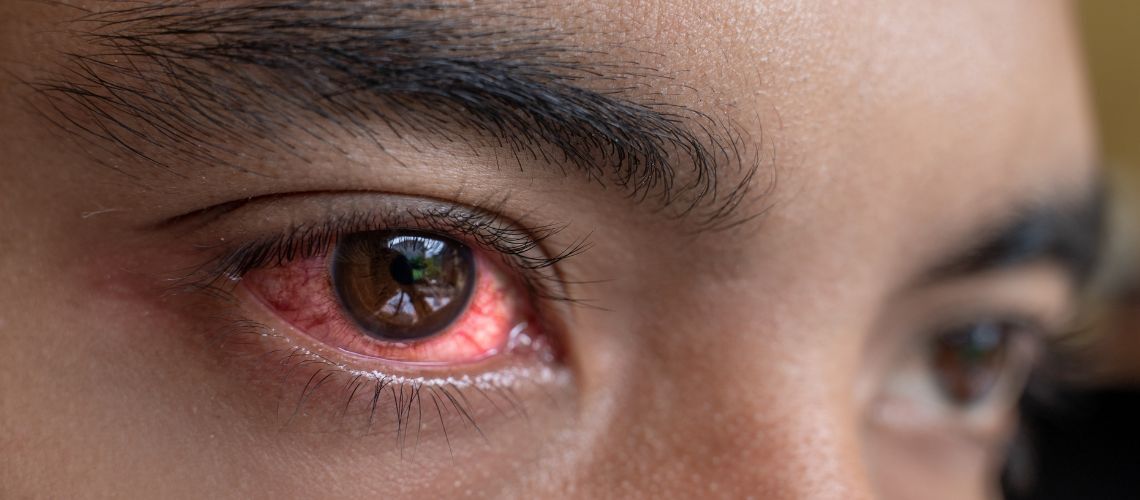
Conjunctivitis (Pink Eye) — Causes, Symptoms & Treatment
Conjunctivitis, widely known as “pink eye,” is an inflammation of the conjunctiva — the clear membrane covering the white of the eye and the inside of the eyelids. When this tissue becomes irritated, the tiny blood vessels on its surface widen, giving the eye its classic pink or red appearance.
It can affect one or both eyes, and depending on the cause, it may involve tearing, discharge, itching, or swelling. While common in children, it can occur at any age. Most cases are mild, but some infections can become more serious without proper diagnosis.
What Causes Conjunctivitis?
There are three main types, each with its own cause and management approach.
- Infectious Conjunctivitis (Contagious)
Bacterial conjunctivitis
Spread through direct contact with contaminated hands, insects, eye makeup, or facial products.
Often produces thick yellow or green discharge. Some cases resolve on their own, but antibiotics help clear symptoms faster and prevent complications.
Viral conjunctivitis
Commonly linked to cold or upper respiratory viruses.
Highly contagious — spreads through coughing, sneezing, or touching the eyes.
Starts in one eye and often moves to the other. Waterier discharge than bacterial infections.
- Allergic Conjunctivitis (Not Contagious)
Triggered when allergens irritate the eyes. Often seasonal, but can also be year-round. Intense itchiness is a hallmark symptom. Causes include:
- Pollen, ragweed, grass
• Dust or mold
• Animal dander
• Cosmetics or solutions
- Chemical or Irritant Conjunctivitis (Not Contagious)
Caused by exposure to:
- Air pollution or smoke
- Chlorine from swimming pools
- Household or industrial chemicals
Removing or rinsing away the irritant usually brings relief.
Symptoms of Pink Eye
People with conjunctivitis may experience:
- Red or pink appearance of the eye
- Itching or burning
- Swollen eyelids
- Light sensitivity
- Excessive tearing
- Mucous, watery, or sticky discharge
- Eyelid crusting upon waking
- Stringy white mucus (common in allergies)
If symptoms are severe or last more than a couple of days, it’s time for an exam.
How Conjunctivitis Is Diagnosed
Your optometrist will examine the eye and determine the cause through:
- Slit-lamp evaluation
• Fluorescein dye testing (to check for corneal involvement)
• Review of symptoms and recent exposures
Accurate diagnosis matters — the wrong treatment can prolong symptoms.
Treatment Options
Infectious Conjunctivitis
Bacterial:
Treated with antibiotic drops or ointments. Improvement usually begins within 24–48 hours.
Viral:
Antibiotics won’t help. The infection typically runs its course anywhere from a week to several weeks.
Relief strategies include:
• Cold compresses
• Artificial tears
• Rest and strict hygiene
Some cases may require prescription steroid drops to reduce inflammation.
Preventing spread:
Wash hands frequently, avoid touching your eyes, don’t share towels or cosmetics, and replace makeup or contact lenses used during the infection. Children with viral pink eye should stay home until cleared by a professional.
Allergic Conjunctivitis
- Avoid or minimize exposure to known allergens
• Use cold compresses
• Artificial tears to flush irritants
• Antihistamine or mast-cell stabilizer eye drops
• Oral antihistamines for seasonal flare-ups
Chemical Conjunctivitis
- Rinse immediately with clean water or saline
• Avoid the irritant going forward
• Follow-up treatment may include soothing or anti-inflammatory drops
Serious chemical injuries require urgent medical attention.
Will Conjunctivitis Harm My Eyes?
Most cases resolve without lasting effects when treated appropriately. However, certain bacterial and viral infections can lead to complications — including corneal damage — if ignored. Persistent pain, reduced vision, or worsening redness should never be brushed off.
When to See an Optometrist
Book an appointment right away if you notice:
- Symptoms lasting more than 24–48 hours
• Sensitivity to light or blurred vision
• Eyelid swelling or eye pain
• Recurring flare-ups
• Discharge severe enough to glue the eyes shut
Early care prevents complications and ensures the right treatment.