
.svg)

.svg)

Myopia: Understanding Nearsightedness and How to Manage It
Learn what causes myopia (nearsightedness), how it’s diagnosed, and the latest options to manage and slow its progression.

What It Is
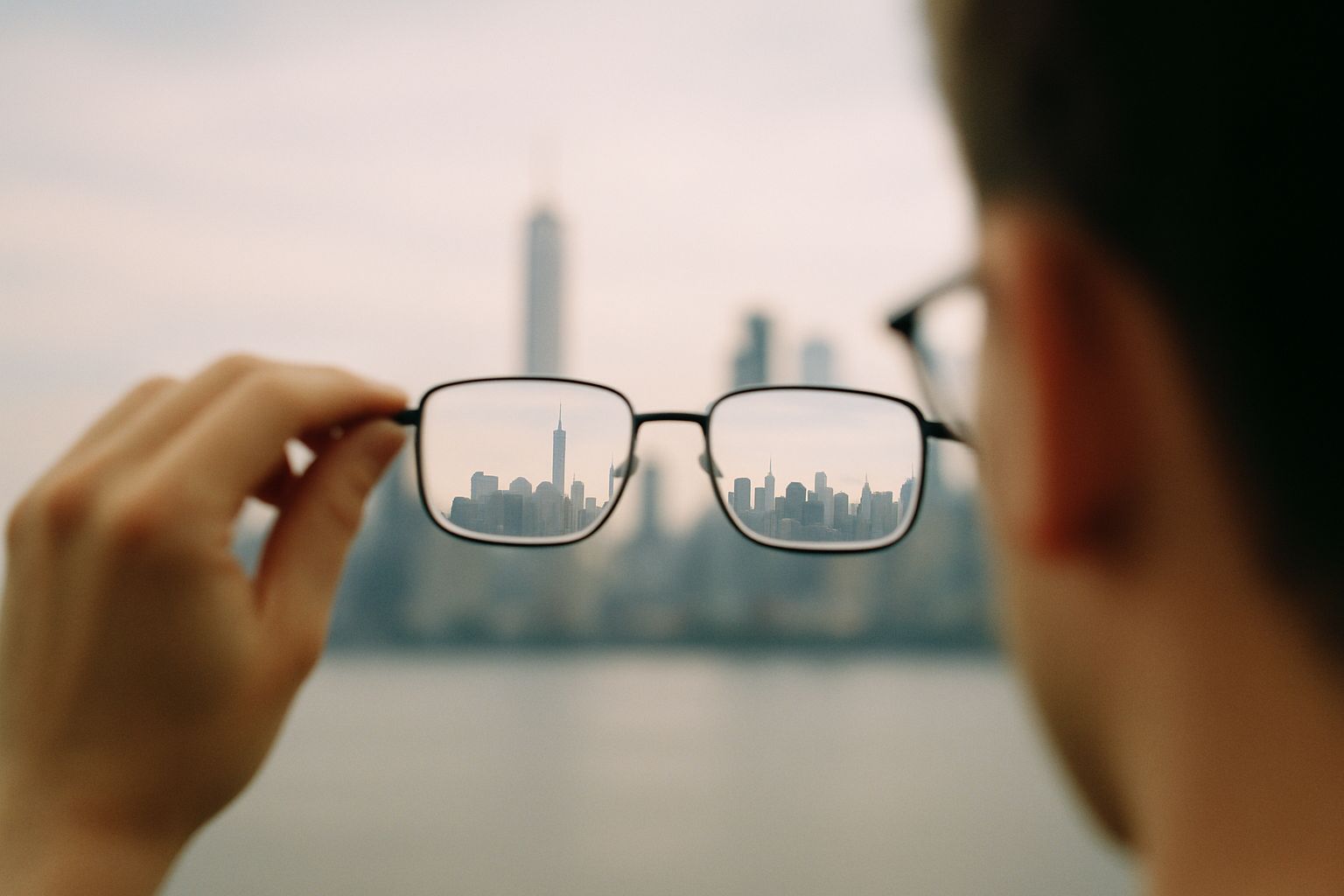
Myopia, or nearsightedness, is a common vision condition where close objects appear clear, but distant objects look blurry.
It occurs because light entering the eye focuses in front of the retina instead of directly on it.
Myopia often begins in childhood and tends to worsen as the eyes grow. Today, it affects nearly 30% of Canadians — and rates are increasing worldwide, especially among children who spend less time outdoors.
Who It Affects / Causes
Myopia can affect people of all ages but most often develops in school-aged children and stabilizes in early adulthood.
Causes and risk factors include:
- Genetics: Having one or both parents with myopia increases the risk 👨👩👧
- Eye shape: Eyeball is too long or the cornea too curved 👁️
- Lifestyle: Spending too much time indoors and not enough time outdoors in childhood 🌳
- Near work: Excessive time spent reading, on screens, or doing close-up activities 📱
Symptoms to Watch For
- Blurry distance vision (difficulty seeing the board, TV, or road signs)
- Squinting to see clearly
- Eyestrain or headaches
- Needing to sit closer to the front of the class or TV
- Rubbing eyes frequently or losing focus during distance tasks
Children may not realize their vision is blurry — that’s why routine eye exams are essential for early detection.
How It’s Diagnosed
An optometrist can detect myopia during a comprehensive eye exam that includes:
- Visual acuity testing (reading eye charts)
- Retinoscopy or autorefraction to measure refractive error
- Refraction testing to determine the precise prescription needed
- Eye health evaluation to rule out other conditions
Regular eye exams are especially important for children, as early diagnosis allows for better management and prevention of progression.
Treatment & Management
While there is no permanent cure for myopia, several safe and effective options can correct or control it:
👓 Eyeglasses or Contact Lenses
- Correct vision by redirecting light onto the retina.
- May be worn full-time or only for distance tasks (e.g., driving, school, or sports).
- Contact lenses are ideal for active individuals or those who prefer not to wear glasses.
🌙 Myopia Control Treatments
To slow progression, especially in children:
- Orthokeratology (Ortho-K): Special rigid lenses worn overnight reshape the cornea temporarily for clear daytime vision.
- Atropine eye drops: Low-dose medication that helps slow eye growth.
- Specialized myopia-control lenses: Glasses or contact lenses designed to reduce strain on the eye’s focusing system.
🔬 Laser or Surgical Options
For adults, refractive surgery (LASIK, PRK, or lens implants) can correct vision by reshaping the cornea or replacing the eye’s natural lens.
Your optometrist can determine if you’re a good candidate.
🌤️ Lifestyle & Prevention
- Encourage children to spend at least 2 hours outdoors daily.
- Follow the 20-20-20 rule for screen use (every 20 minutes, look 20 feet away for 20 seconds).
- Ensure proper lighting and posture when reading or studying.
When to See Your Optometrist
Book an exam if you or your child:
- Struggle to see distant objects clearly
- Experience frequent headaches or eyestrain
- Notice vision changes between annual check-ups
- Have a family history of myopia
- Teacher notices learning difficulties
Optometrists can detect myopia early, prescribe corrective lenses, and discuss ways to slow progression and protect long-term vision.
Related Topics
- [Children’s Vision and Eye Exams]
- [Orthokeratology (Ortho-K)]
- [Digital Eye Strain]
- [Laser Vision Correction]
Resources & Programs
- [OHIP Coverage for Eye Exams]