.svg)

.svg)

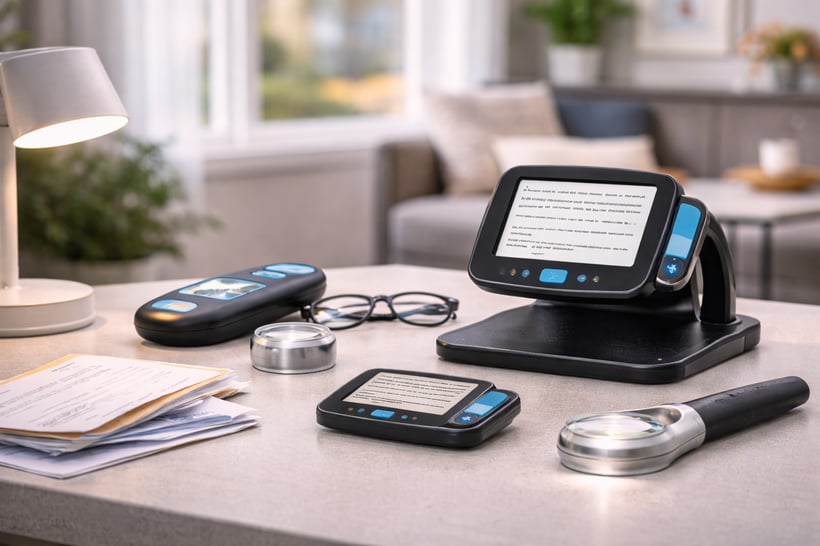
Low vision care is often misunderstood as simply “stronger magnifiers” or “bigger print.” In reality, it’s an area of optometric care focused on helping patients function better in their daily lives.
And as Ontario’s population ages, that care is more important than ever.
What low vision optometrists actually do
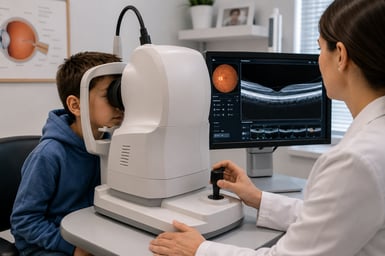
Low vision optometrists assess how vision loss affects real-world tasks — not just eye charts.
Care may include:
- Customized visual aids and technology
- Environmental and lighting recommendations
- Training to maximize remaining vision
- Collaboration with other health professionals when needed
This is hands-on, individualized care — not one-size-fits-all.
Why access matters
Vision loss doesn’t just affect eyesight. It affects mobility, mental health, independence, and safety.
Access to optometric low vision care helps people stay active, engaged, and connected — reducing the broader health and social impacts of vision loss.
The takeaway
Low vision care isn’t optional. It’s essential care for people living with permanent vision loss — and it deserves recognition, expertise, and access.